Blog
THC vs THCA What’s the Difference & Why It Matters

THC vs THCA What’s the Difference & Why It Matters
THCa remains non-psychoactive unless it undergoes decarboxylation, a chemical reaction triggered by heat or prolonged exposure to air and light. It is crucial they review your health history to determine if you are at a higher risk of side effects. Individuals may experience side effects, which can vary based on dosage, consumption method, and personal tolerance.
Legal status
While tetrahydrocannabinolic acid stays inactive in raw cannabis, THC causes clear mind-altering effects. Direct heat exposure makes cannabis consumption methods like smoking joints viable recreationally or medically because the desired psychoactive effects are quickly available after inhaling. Some men prefer taking their doses using tinctures, capsules, or edibles to enjoy potential therapeutic uses without psychoactive effects. THCA—short for tetrahydrocannabinolic acid—is a compound found naturally in raw cannabis flowers.
Is THCA Federally Legal?
Because heat destroys THCA, the main consumption methods involve raw cannabis. When cannabis is smoked, vaped, or baked, THCA loses that extra molecular group and converts into delta-9 THC. It’s the raw, unheated form of THC found naturally in cannabis plants, and unlike THC, it doesn’t get you high.
Marijuana Legalization by State 2025
THC offers the well-known psychoactive experience and is supported by a growing body of research in pain management and appetite stimulation. While they share nearly the same chemical structure, THC and THCA differ profoundly in their effects on the body. Be aware that even dried flower marketed as high-THCA can convert to THC if you apply heat, so how you consume it matters just as much as what you buy. Because THCA hasn’t been studied as extensively in human trials, much of the research is still preliminary. When cannabis is heated, THCA loses that extra acid group and becomes THC.
Whether a THCA-rich product qualifies depends entirely on its delta-9 THC content at the time of testing, not what it becomes when heated. Several states have recognized this and passed laws restricting THCA products, while others haven’t addressed it. Even CBD products have triggered positive results due to small amounts of THC contamination, so a product rich in THCA (which is chemically one step away from THC) poses a meaningful chance of a failed test. Lab analysis of 30 large fan leaves from a flowering plant found they contained only 11.5 milligrams of combined THCA and CBDA. Juicing fresh cannabis leaves and buds is the most popular approach. In animal studies, THCA suppressed nausea-related behaviors at doses where THC had no effect.
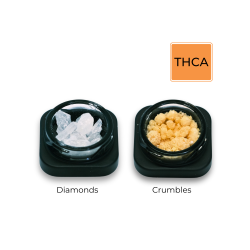
This process removes a carboxyl group from the molecule, turning THCA into THC and activating its psychoactive effects. When people abuse marijuana and cannabis products, it can lead to marijuana use disorder. Depending on where you live and the laws there, you may be able to legally purchase hemp and modify it to create THC. THCA is legal as long as the cannabis contains less than 0.3% of it. To make it, you extract THCA from cannabis and then add heat and pressure to form crystals called diamonds.

While THCa is generally well-tolerated, research on its long-term effects is still ongoing. THCa is non-psychoactive and known for its anti-inflammatory and neuroprotective properties, making it a potential option for conditions like arthritis, Alzheimer’s, and Parkinson’s disease. THCa and THC offer distinct therapeutic benefits, with key differences in their effects. THCa and THC are similar compounds with similar structures, which draw prominent comparisons to each other. THCa and THC share a similar structure, but their effects on the body differ.
At Hemp Living, we’ve made it our mission to set the bar for what premium hemp flower should be. This product is legal hemp flower containing less than 0.3% THC in compliance with the 2018 US Farm Bill. It doesn’t produce intoxication, which removes the most obvious concern, but interactions with medications, effects during pregnancy, and long-term consequences of high-dose use remain unknown. The federal position is that cannabis derivatives are considered marijuana (a Schedule I controlled substance) unless they fall under the hemp exception. This makes raw leaf juicing impractical for most people without access to large quantities of fresh cannabis. Physician William Courtney, a prominent what is thca advocate for raw cannabis, recommends blending fresh leaves or buds with a small amount of fruit or vegetable juice to mask the bitter taste.
- Now to the crux of the issue – how is THCA flower actually made?
- Instead, the cannabis plant creates carboxylic acids (aka “acidic” cannabinoids) like THCA and CBDA as the precursor to cannabinoids.
- All information presented here is not meant as a substitute for or alternative to information from healthcare practitioners.
- THCa is generally well-tolerated, but research is still emerging on its long-term effects.
THCa concentrations are often greater in fresh, undried cannabis plants. THCa is converted into a psychoactive THC chemical when heated, smoked, or vaped. Knowing how it’s acquired, its risk to consumers, and what dangers could come from consuming unregulated products will help you recognize emerging issues in someone you know. The availability of a form of cannabis known as THCa is on the rise across the United States, yet you may be unaware of its impact on your loved ones. Those on prescription medications, especially blood thinners or anti-seizure drugs, should consult their doctor, as THCa may alter liver enzyme activity. In its raw form, THCa is generally considered safe and non-intoxicating.